
Home Services Franchises in the US: Costs, Demand, and Buyer Fit
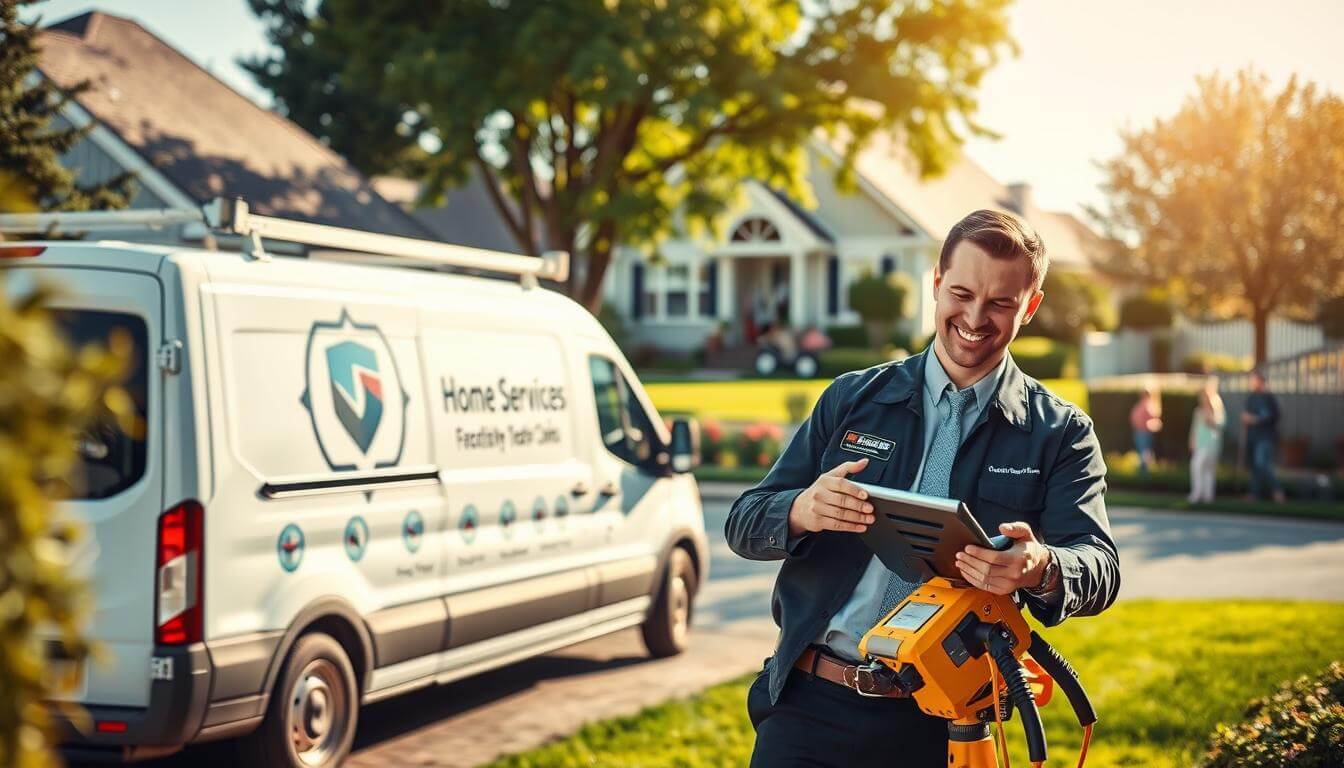
Surprising fact: there are 25 active brands in the current market database, and minimum cash requirements can start as low as $25,000 yet exceed $200,000 for some options.
I launched this guide on Franchisee.ai to help you cut through confusion and choose the right path to franchise ownership. I’ll walk you through costs, market demand, and the operational realities that shape a smart investment.
Whether you’re exploring cleaning options or specialized maintenance, my goal is to give clear data and practical steps so you can match a brand to your financial and family goals. Expect actionable tips on marketing, operations, and buyer fit to inform your next big decision.
Key Takeaways
- The market lists 25 brands with wide-ranging cash requirements ($25K to $200K+).
- I cover costs, demand, and what franchising means for business ownership.
- Focus on unit economics, marketing, and operational fit before you invest.
- Use Franchisee.ai resources to compare brands and avoid common mistakes.
- Choose an opportunity that matches your experience, family needs, and long-term goals.
Understanding the Home Services Franchise Model
Here’s a clear view of how proven systems and brand identity move from a franchisor to an operator. I’ll keep this short so you can spot the parts that matter when evaluating an opportunity.
Defining the Franchise Relationship
A franchise relationship is a legal agreement where a franchisor grants a franchisee rights to use proven systems and a recognizable brand. That transfer includes operations manuals, training, and marketing playbooks. The franchisor retains brand control while the operator manages day-to-day business and team execution.
Benefits of the System
Key advantages include access to comprehensive training, established marketing, and ongoing support. Joining a network like Authority Brands adds an extra layer: you can learn from experienced franchise owners who already serve as operations support.
This model reduces startup risk and speeds customer acquisition. As a franchisee, you must keep brand standards to ensure a consistent customer experience across locations.
- Training helps you manage teams and daily operations.
- Marketing systems drive leads without building from scratch.
- Network experience shortens the learning curve for new owners.
| Component | What You Receive | Why It Matters |
|---|---|---|
| Systems & Manuals | Step-by-step operations guides | Ensures service consistency and faster ramp-up |
| Training & Support | Comprehensive training and ongoing coaching | Improves team performance and reduces mistakes |
| Network Access | Peer insights from existing owners | Hands-on tips that cut startup risk |
If you want to avoid common pitfalls during expansion, I also recommend reading about the enemies of franchising to learn what not to do.
Why I Am Researching a Home Services Franchise
I investigate this model because it pairs predictable demand with proven operational playbooks.
Consistent need for essentials like cleaning and maintenance keeps order volume steady. That steady demand lowers risk for a new owner and raises the business’s growth potential.
Proven systems let me copy workflows that work. Training, marketing templates, and tech tools speed ramp-up and cut common startup mistakes.
“A replicable model reduces guesswork and helps new owners serve customers faster.”
I focus on how brand reputation attracts repeat customers and how costs align with expected returns. I also evaluate whether a franchised opportunity fits my goals for long-term franchise ownership and business ownership.

- Lower startup risk through established playbooks.
- Scale potential by adding routes or territories.
- Stable demand, even in changing markets.
| Focus | Why it matters | Expected outcome |
|---|---|---|
| Training | Faster team readiness | Quicker revenue |
| Brand | Customer trust | Higher retention |
| Operations | Repeatability | Scalable growth |
Analyzing the Financial Realities of a Home Services Franchise
I start with a detailed cash map to see how startup expenses, royalties, and marketing add up. This helps me know what capital I need and how long before cash flow turns positive.
Initial Investment Breakdown
Equipment, vehicles, setup, and working capital make up most upfront costs. I tally franchise fees, local permits, insurance, and two to six months of payroll and operating cash.
When I compare brands, I check the FDD for itemized ranges and watch Item 19 closely to validate projected revenue and ROI.
Understanding Royalty Fees
Royalty fees are usually a percentage of gross revenue. They pay for ongoing support, brand marketing, and national programs.
I model scenarios with different royalty rates to see how they affect net profit each month.
Marketing and Tech Costs
Local marketing, lead-generation, and SaaS tools are recurring costs that drive customer growth. Successful franchise owners budget marketing first to maintain a steady customer pipeline.
To compare options, I use resources like how to buy a franchise business and brand FDDs to confirm assumptions.
| Cost Category | Typical Range | Why it matters |
|---|---|---|
| Startup & Equipment | $25k–$200k+ | Sets launch timeline and capital need |
| Royalties | 4%–12% of revenue | Impacts monthly margin |
| Marketing & Tech | $500–$3,000+/mo | Drives customer acquisition and operations |
Bottom line: balance ongoing costs with expected revenue from cleaning or maintenance work. Understanding these line items and validating Item 19 gives me confidence in potential returns before I commit to franchise ownership.
Essential Documents and Due Diligence
I always begin due diligence by focusing on the documents that spell out fees, obligations, and support.
The Franchise Disclosure Document (FDD) is the most important legal paper you will read as a prospective franchisee. It lists initial costs, royalty fees, required training, and marketing commitments.

How I review the FDD
I scan Item 7 for startup costs and Item 6 for required investments. Then I check Item 19 for earnings claims and Item 11 for litigation history.
- Verify facts: confirm fees and support claims with current franchisees.
- Check systems: assess operations, training, and available resources.
- Territory terms: know your marketing obligations for the area you buy.
I rely on the educational content at Franchisee.ai’s FDD guide to decode legal language.
“Read the FDD line by line and ask for evidence of every claim.”
For legal clarity, I recommend consulting an attorney and reviewing consumer tips from the FTC’s buying guide. Proper diligence helps protect your investment and your customers.
Evaluating Different Service Categories
Your background and local demand should steer which service category you pursue.
I compare options like recurring cleaning, seasonal maintenance, and specialty repairs to see which fits my skills and budget.
Recurring work such as regular cleaning often gives steady cash flow and predictable scheduling.
Specialized maintenance can command higher prices but needs trained staff and more equipment.
When I review a brand, I check startup costs, route density, and the likely return on my initial investment.
Operational demands vary: some categories need vans and tools, others need certification or technician hires.
- I favor categories that support repeat customers and simplify marketing.
- I use Franchisee.ai data to benchmark costs, local market gaps, and competitive brands.
- Good opportunities balance brand recognition with operational flexibility for the owner.
“Pick the category that matches your strengths and the neighborhood demand — that’s where steady growth starts.”
Operational Styles and Management Requirements
Operational approaches range from hands-on owner-operators to managers who run a team while the owner focuses on growth.
I look for a model that fits my strengths. Some owners work in the field daily. Others hire managers and prioritize growth and marketing.
Leadership and scheduling are central. Managing customer requests, technician schedules, and quality checks takes consistent attention.
Training and support matter. I favor brands that provide clear systems, onboarding, and software to reduce admin time.

- Decide if you want a mobile route or a fixed location.
- Verify what training and tech the brand provides.
- Plan hiring and payroll before launch.
“Your ability to manage a team and deliver consistent service determines long-term success.”
| Operational Style | Key Management Needs | Best Fit |
|---|---|---|
| Owner-operated | Hands-on scheduling, customer visits | Low initial costs, high owner time |
| Semi-passive | Manager hiring, quality control | Growth focus, higher costs |
| Fixed-location | Reception, inventory, local marketing | Stable appointments, repeat customers |
| Mobile route | Routing software, vehicle ops | Scale by territory, flexible hours |
Leveraging Franchisor Support and Training
Access to organized corporate training is often the single biggest accelerator for new owners.
Strong systems and clear onboarding cut early mistakes and speed revenue. I look for programs that pair classroom instruction with hands-on field days.
The Role of Corporate Support
Corporate teams provide playbooks, tech, and marketing guidance that keep your operation consistent with the brand. They also offer ongoing coaching to help you manage your team and local market demands.
Learning from Existing Franchisees
I find peer coaching among franchisees to be invaluable. Talking to current owners reveals real-day tactics for scheduling, quality checks, and customer retention.
“The combination of corporate resources and peer-to-peer learning creates a strong foundation for growth.”
- Prioritize brands that provide continuing support and comprehensive training.
- Use the network to solve operational challenges and share best practices.
- Follow proven marketing and systems early to protect your margins.
For deeper reading on marketing support and what to expect from a franchisor, check this guide on marketing support and the practical overview of franchise support systems. These resources help me verify that corporate programs match the promises in the FDD.
Strategies for Scaling Your Business
I focus on repeatable tactics that let me add territories without breaking quality. Expansion should increase revenue and protect the brand’s reputation.
Start with systems. Solid operations, scheduling software, and clear onboarding let me replicate success across units.
Next, build a reliable team. Hiring managers and training technicians frees my time to grow while keeping customers satisfied.

- Bundle offerings to increase average ticket and reduce churn (for example, cleaning plus seasonal maintenance).
- Use seasonal marketing to capture demand spikes and keep cash flow steady through slow months.
- Leverage franchisor support for training, marketing templates, and operational playbooks to scale faster.
“Scaling well means protecting service quality while you add units and offerings.”
Investing in tech and training improves routing, customer communication, and field reporting — all of which boost capacity and margins.
| Scaling Path | Key Action | Impact | When to use |
|---|---|---|---|
| Multi-unit ownership | Hire managers, standardize ops | Higher revenue, more overhead | After consistent unit-level profit |
| Service bundling | Package complementary offerings | Increase lifetime value | With trained staff and clear pricing |
| Seasonal marketing | Promote time-limited deals | Spike leads during peak demand | Quarterly or seasonal cycles |
| Technology investment | Adopt CRM & routing tools | Operational efficiency and scale | Before adding new territories |
For guidance on franchising expansion and support options, see this overview of home services franchising. With the right plan, support, and team, a single unit can become a lasting family legacy and a successful business ownership path.
Conclusion
Careful research into costs and real owner experience will steer you toward the best long-term outcome. Investing in a home services franchise is a big decision that needs realistic cash projections and a plan for daily operations.
I recommend using Franchisee.ai resources, reading the FDD line by line, and talking with franchisees to learn what running the brand looks like in practice.
Success depends on your commitment to operational excellence, great customer care, and using available support and training. With disciplined planning and clear goals, ownership can deliver lasting financial potential for you and your family.
FAQ
What costs should I expect when buying a home services franchise?
How does the franchise relationship actually work?
What benefits does the system provide that I wouldn’t get starting independently?
Who is the ideal buyer for this type of opportunity?
How much do ongoing royalty and marketing fees typically cost?
What technologies and marketing costs should I budget for?
What documents should I review before investing?
How do I evaluate different categories like cleaning, repair, or landscaping?
What are typical operational demands and staffing needs?
How much support can I expect from the franchisor after launch?
How valuable is access to existing franchisees for learning?
What strategies do owners use to scale within the system?
What are the main risks I should prepare for?
How do I judge whether the investment will meet my return goals?
Want franchisee leads for your business?
Share a few details. We will reach out with a clear next step.
Subscribe for new franchise insights
1 email per week. Practical franchise playbooks and templates.